The Dude Abides
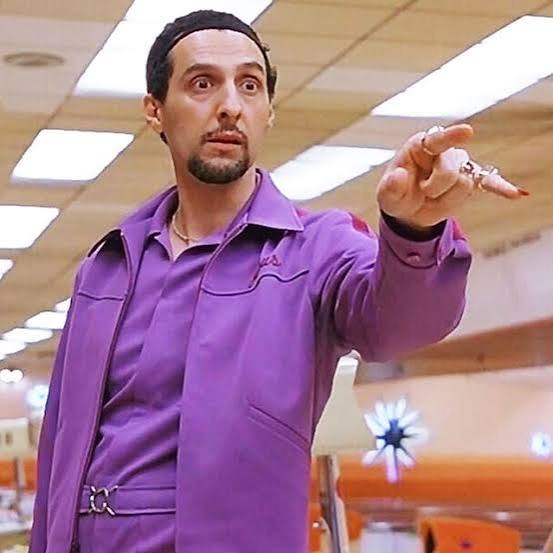
The inciting incident kicking-off the Coen Brothers’ 1998 comedy of errors, The Big Lebowski, was a misidentification. Two blockhead thugs, sent by a shady Malibu pornographer to collect an outstanding debt, descend on the apartment in Venice, California inhabited by a loveable louche named Jeffrey Lebowski. After roughing up Lebowski, who self-styles himself as ‘the Dude,’ it dawns on the thugs they’ve got the wrong guy. Before leaving, one of the thugs micturates, he takes a piss on Lebowski’s prize living room rug that tied-together the decor of his decrepit abode.
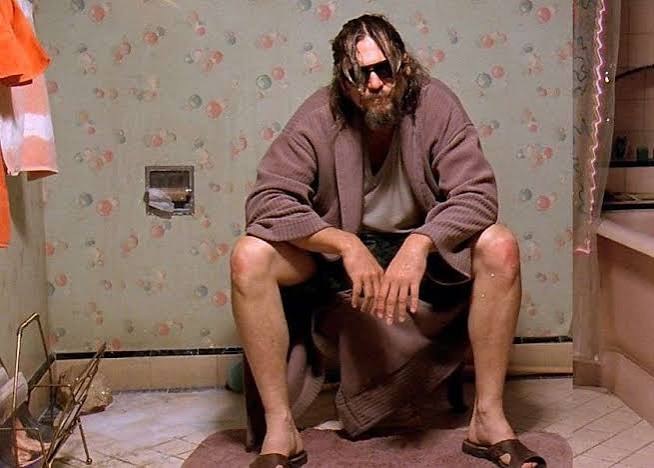
The Dude seeks recompense from the other Jeffrey Lebowski – the seemingly wealthy wheelchair-bound executive living in South Pasadena palatial splendor. “You’re a Lebowski, I’m a Lebowski ...that’s terrific,” so states the elder Lebowski him not understanding why he should be on the hook for the cost of a new rug for the Dude. The thing tying both Lebowskis together is that they’re both consummate knuckleheads. Dude, memorably played by Jeff Bridges, exhibits no obvious means of existence. He bowls, a lot, and pontificates about having been a big-deal in the late 1960s student movement. The elder Lebowski is living-off his deceased wife’s fortune fronting charitable organizations like the Little Lebowski Urban Achievers and having his picture taken with notables, like Nancy Reagan.
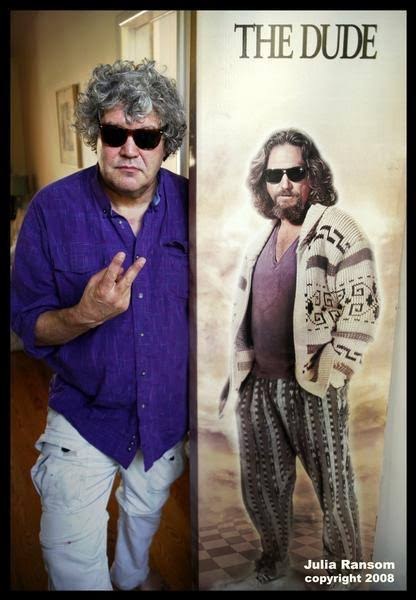
For some of us who came up through the ranks of early 1980s independent American filmmaking, the character of The Dude holds a special kind of resonance, for the Coens modeled their character on a real guy who self-styled himself as the Dude. His name is Jeff Dowd, and when we crossed paths in the early 1980s he was a fairly prominent producer’s rep. Dowd was the blustering yet charismatic son of a distinguished economics professor who taught at the University of California, Berkeley and later Cornell University. The younger Dowd was born in 1949, in Oakland, Ca., moved east when his dad was hired at Cornell, and following his father’s antiwar activism Dude dropped out of college in the latter half of the 1960s and burned his draft card in protest of the Vietnam War. He migrated from New York to Seattle in early 1970 and attended a local protest rally put together by University of Washington professor Michael Lerner, a demonstration headlined by the clown-prince of antiwar movement, Jerry Rubin. Dowd joined up with Lerner, and others, to form the Seattle Liberation Front an organization that was prosecuted by Nixon’s US Department of Justice for civil insurrection. The government’s case fell apart in 1974, the Seattle Seven disbanded, and Dowd joined forces with Randy Finley who ran the Seven Gables Theatre Organization. Like the Landmark Theatres in LA and the Bay Area, Seven Gables was a Seattle theatre chain that became foundational for Northwest emergent independent cinema.
In 1981, and based on his marketing expertise with the Seven Gables group, Dowd was invited to participate (with others from the burgeoning independent filmmaking community) during the inaugural Sundance Institute summer retreat at Robert Redford’s ski-ranch in Provo Canyon, Utah. There, recounting the successful campaigns he orchestrated in Seattle, his grassroots approach to ‘indie’ marketing caught the attention of two other attendees: actors Edward James Olmos and Tom Bower. Eddie and Tommy were joined there by producer Moctesuma Esparza and director Robert M. Young. The product of that convergence was what became known as ‘the bastard child of the Sundance Institute,’ The Ballad of Gregorio Cortez. The film first premiered in 1982 on the PBS omnibus series, American Playhouse. The film would become legendary in the realm of American indie filmmaking.
After the initial broadcast of Cortez, Eddie got it into his head that the film should be released theatrically. To say that notion was unconventional is a gross understatement. It had never happened before, but Eddie had a vision, and he and Tommy along with the other LA-based actors from the film began assembling every Saturday morning at one of Bob Laemmle’s theatres on Wilshire Blvd in Beverly Hills where Eddie and Tommy had ‘four-walled’ showings of the film at 10am. Their quixotic campaign got the attention of an audience that began to grow dramatically, and the film then came to the attention of Norman Lear and Jerry Perenchio’s Embassy Pictures. Lear and Perenchio loved the film and bought into Eddie’s vision.
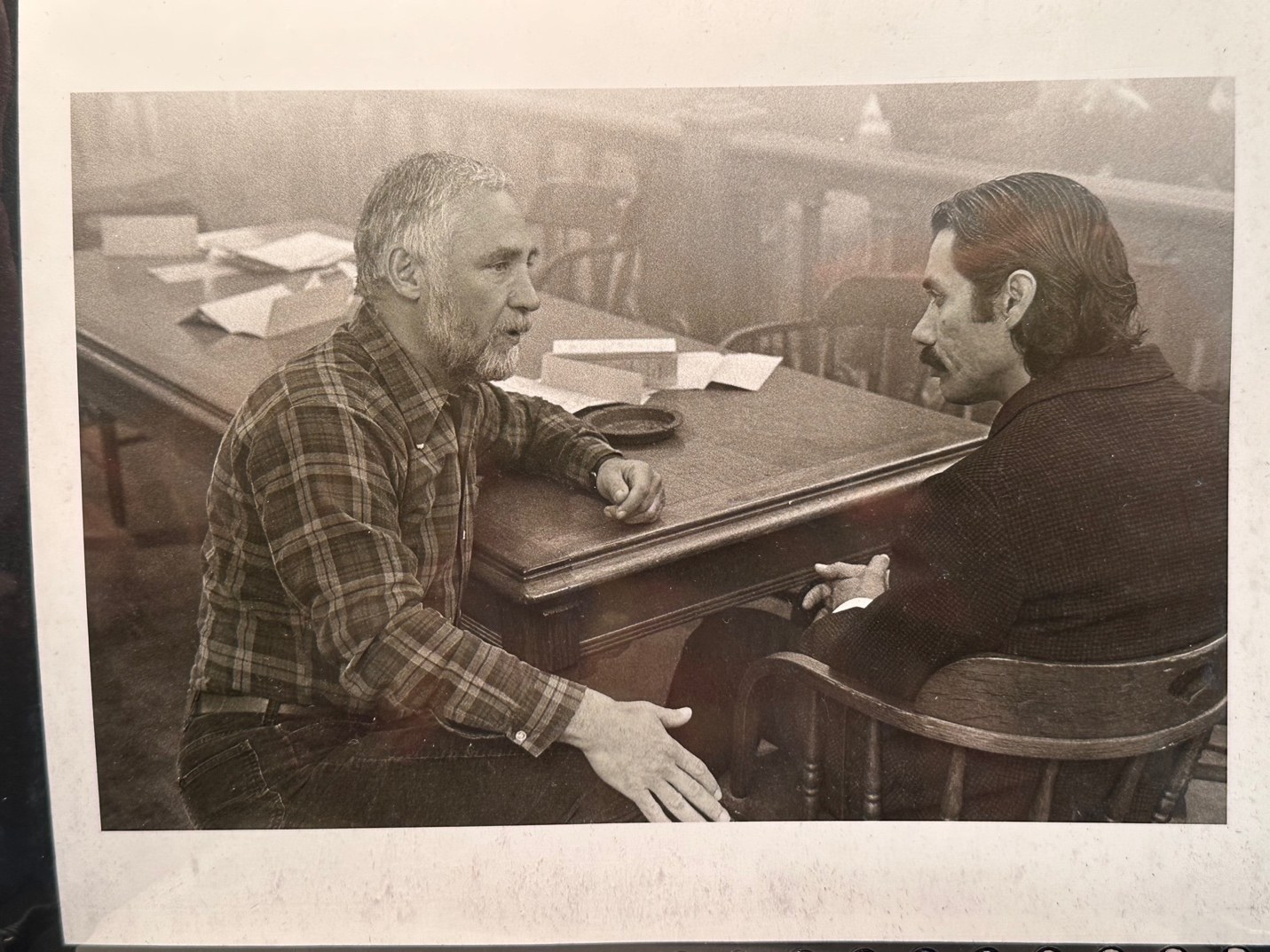
When I joined Eddie’s team, just after Labor Day in 1982, I had no idea where it all would lead but I had just been let-go by United Artists where I had been reading as a story analyst. It was very apparent to me that there was a passionate following for the film that was growing steadily. The film came to the attention of LA Times film critic Charles Champlin who asked to show it to his class at USC. In that audience was Ross LaManna who was working at Embassy at the time and brought the film to the company’s attention. Also, in attendance that night was local film journalist Ginger Varney who was writing reviews for the LA Weekly. In her review of the film, she raved stating how much she admired it.
The sale to Embassy took a while to consummate and I departed to New Zealand to work on a TV series being produced in Auckland. When I returned, the following early Spring, Eddie and Tommy had taken offices at Embassy’s operation in Century City. I immediately rejoined their team and under the auspices of Embassy’s marketing team we began to formulate the film’s theatrical release marketing campaign.
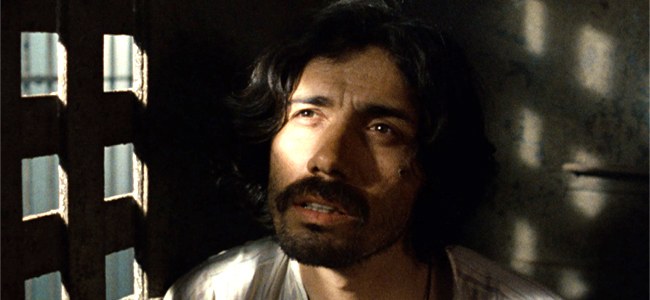
I won’t belabor the litany of missteps made by Embassy Pictures. Ultimately, we took the film back by negotiating a sub-distribution deal with Embassy. Hal Harrison and Bob Deshane, who were running the Lions Gate Sound facility in West Los Angeles, gave us a couple of offices in the basement where we set up shop. We were then able to market the film based on our grassroots approach, modeled on the one Dowd had fostered in Seattle, after we tailored it to the film’s natural audience. In the process, we learned self-distribution from the ground up and built a national awareness for Eddie and Bob.
In the fall of 1984, we were invited by festival director Ron Henderson to play Cortez at the Denver International Film Festival. It was there in Denver where Tommy and I first encountered the Coen Brothers. They were there with Dowd, who was repping their first major film, Blood Simple. They couldn’t have been more different than Dowd ...quiet, observant, and seemingly a bit detached from the hubbub around their film.
I had seen Blood Simple earlier, in LA, at a screening Jeff had set up. Not wanting to admit to it, I basically hated the film upon first viewing. But seeing it again in Denver I finally got the joke. Whatever mood I was in when I first saw it in LA dissipated and in Denver I understood the almost satirical nature of their riff on a film noir. Later, and after seeing their Raising Arizona I became a huge fan of the Coens; not that I liked all their films, but the ones I liked I bloody-well loved. Fargo; O Brother, Where Art Thou?; The Big Lebowski; No Country for Old Men; True Grit, all cinematic classics.
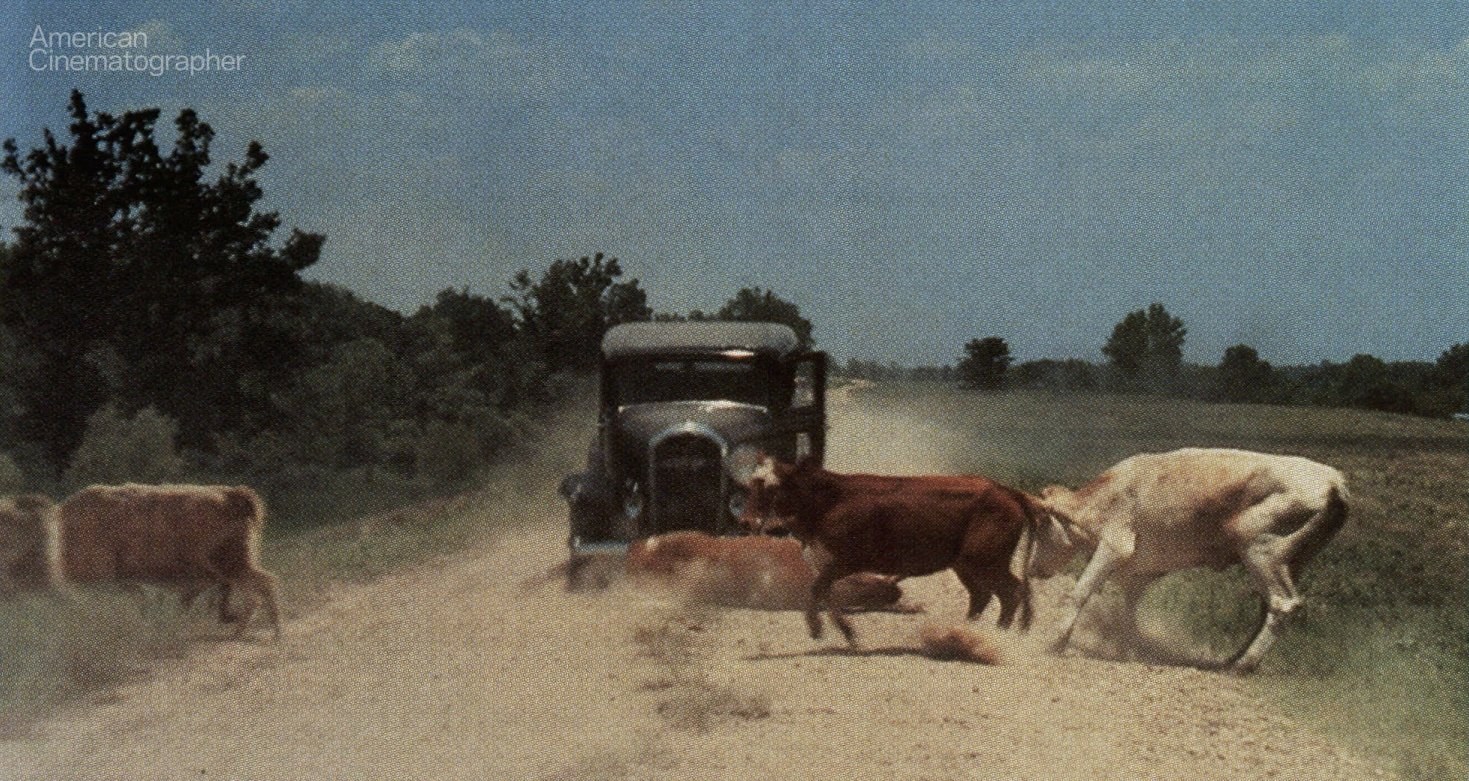
Mostly admiring their work from afar, I did manage to make one small contribution on O Brother, Where Art Thou? In 2000, while still heading-up public relations at Digital Domain, I got called into the office of Nancy Bernstein who was the head of theatrical features. She explained that she had just received a call from Ethan Coen conveying that he and Joel had been questioned by the American Humane Association: the AHA was concerned that Joel and Ethan had killed some livestock during production. I told Nancy that I would take care of it. I went back to my office and called the woman at AHA in charge of compliance over motion picture and entertainment industry production.
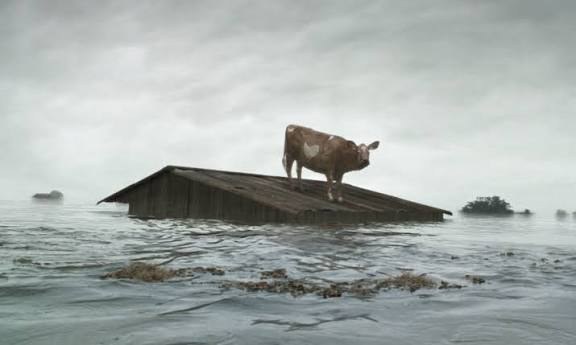
After chatting her up a bit, I asked if she was ever in Los Angeles. She confirmed that she was coming to LA the following week. I asked her to come over to Digital Domain in Venice where I would assuage her concerns. We set a date, then I inquired how she came to work at AHA. She offered that she had grown up on a farm and that her dad was in the livestock industry. I conveyed that my father too was in the livestock industry. We met the following week, and I showed her a short ‘how-to’ video of the various 2nd unit plate photography our VFX supervisor Erik Nash had shot and later composited with our CG work. The matter was quickly settled. It was one of the best ‘back-handed’ compliments DD v.1 ever received.
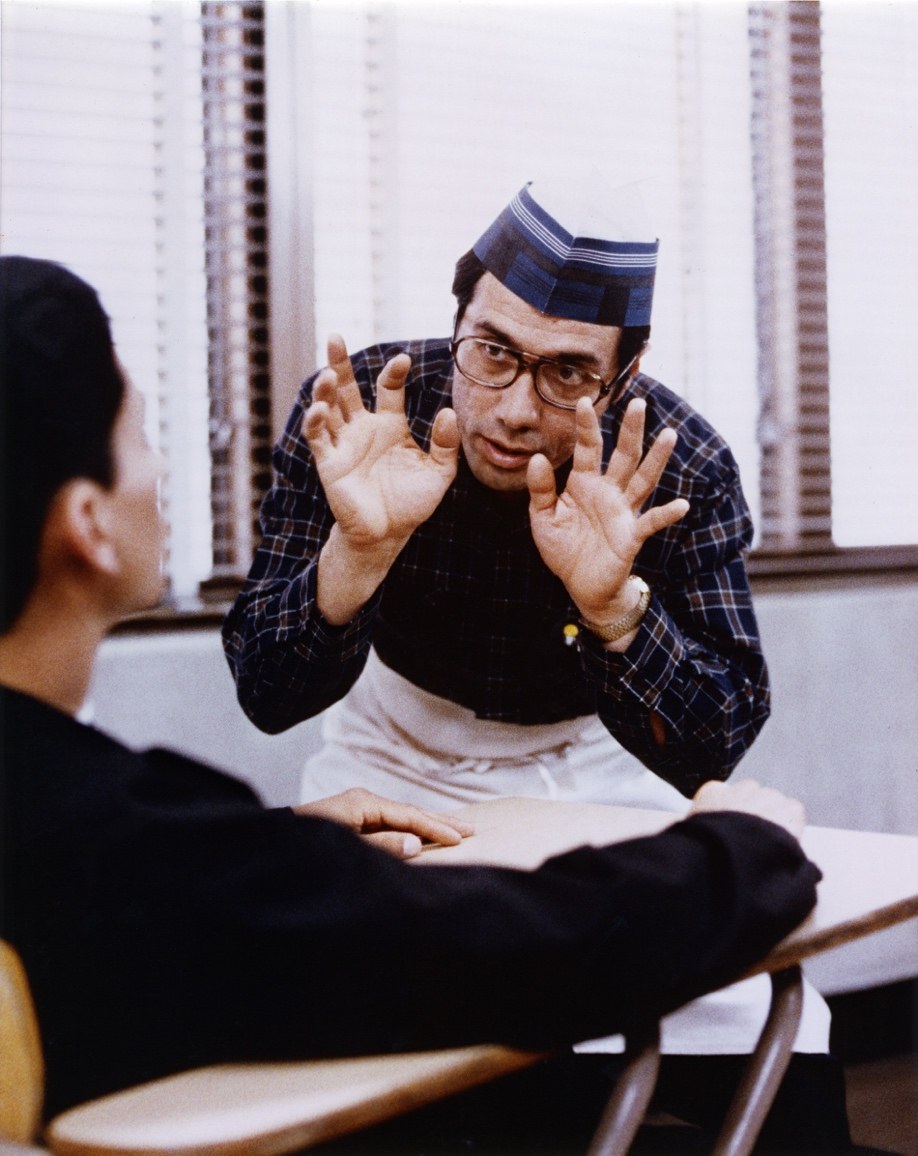
But I digress. The model that Dowd fostered, and which we employed on Cortez whetted our appetites to find another project, one suited for the grassroots network we stitched-together for the film. Working with Lear and Perenchio’s company had been a total mismatch, they viewed and treated us as interlopers and their behavior could easily be interpreted as an attempt to bury the film. It didn’t work, and in short order Embassy Pictures collapsed. But we knew we were on to something, and it was only a matter of time before we found the film, which we did less than two years later. It became Stand and Deliver.
Great things can come from humble origins.