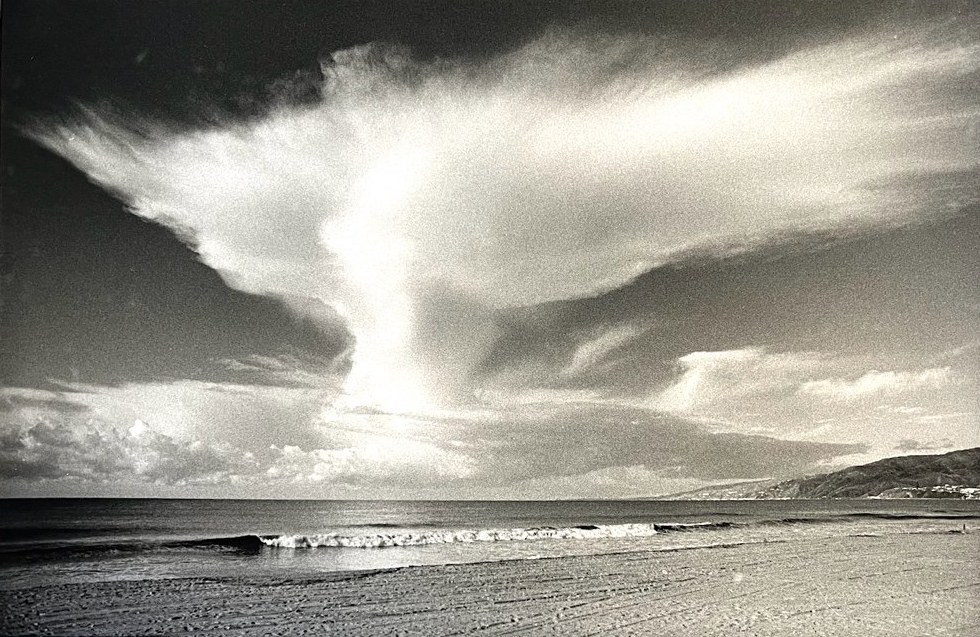
Westward Beach Requiem
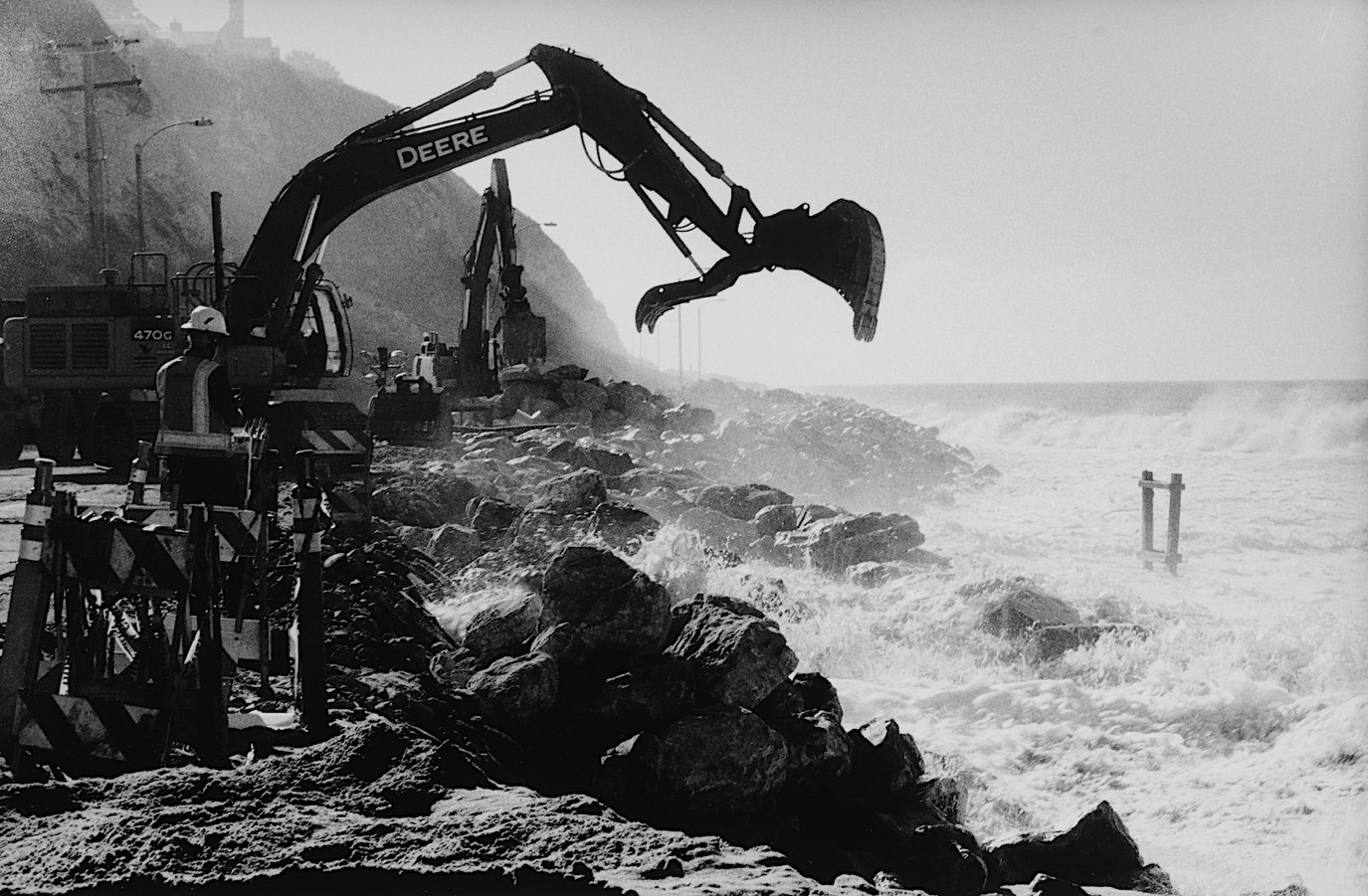
It was known as Westward Beach. It resided on the southern boundary of Zuma Beach just north of Point Dume jutting-out into the Pacific Ocean a bit further-up from the Malibu colony. Nestled-in between the point and Malibu is a cove known as Little Dume. Unlike Zuma, Little Dume is restricted to the wealthy enclave residing on the point’s bluff. Until recently, Westward was one of the greatest surf breaks in Southern California, beloved-by locals and internationally renowned for its beguiling powerful shape – not in the way perhaps that the world’s largest breaks have been glamorized but Drainpipe, as it was known, remained a staple of local Santa Monica Bay surf culture. Over the years it’s seen its share of disasters. 2026 was the year Westward Beach’s epitaph was recorded. In the fall of 2026, the county of Los Angeles, thinking to protect the adjacent parking lot and access road up to the bluff, dumped tons of boulders craned-onto the beachfront thereby re-engineering the impact of rising tides now inundating the California coastline. The unintended consequence was the destruction of that beloved break.
The photo below was taken at Westward on the morning of January 7th, 2025. Photographer Anthony Friedkin, who has been documenting LA surf culture for over 60 years, was there at Zuma anticipating the periodic offshore winds that combined with the surf-break’s singular shape often producing those opportunities Friedkin captured over a lifetime – liquid ephemeral sculptures that have been the subject of his work for so many decades. Little could Friedkin know that he would witness the beginning of the end of life as it was known along that stretch along the Southern California landscape ranging-up from Santa Monica to the north end of Malibu.
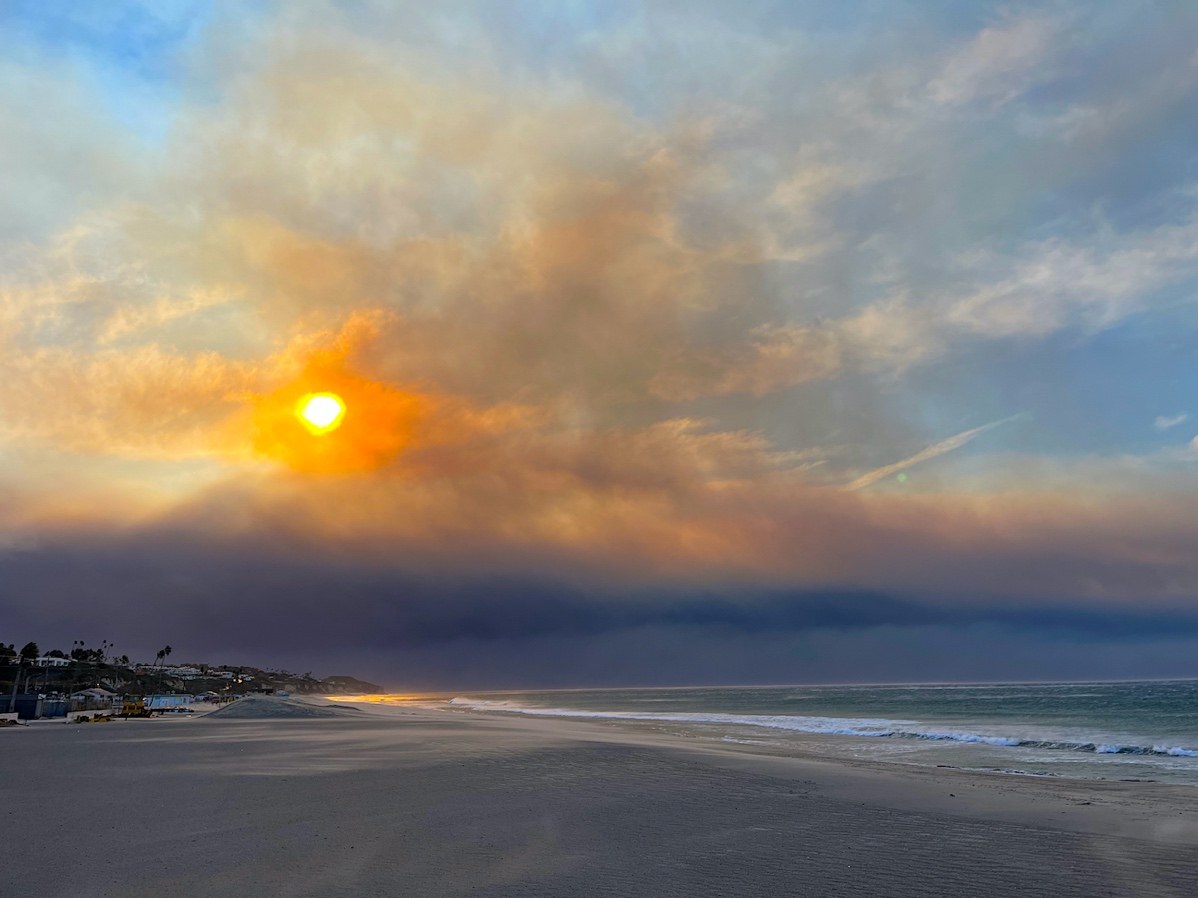
Point Dume’s name derived from an early British voyage of exploration of the Pacific Ocean off the California coastline. Captain George Vancouver named the point after his friend, Padre Francisco Dumetz. Zuma was derived from ancestral Chumash inhabitants. The name Drainpipe derived from the large stormwater drainage pipe that resided on the south-end of Zuma for generations and which combined with shifting sands and strong ocean currents that shaped waves known as radically steep and which broke in exceedingly shallow water.
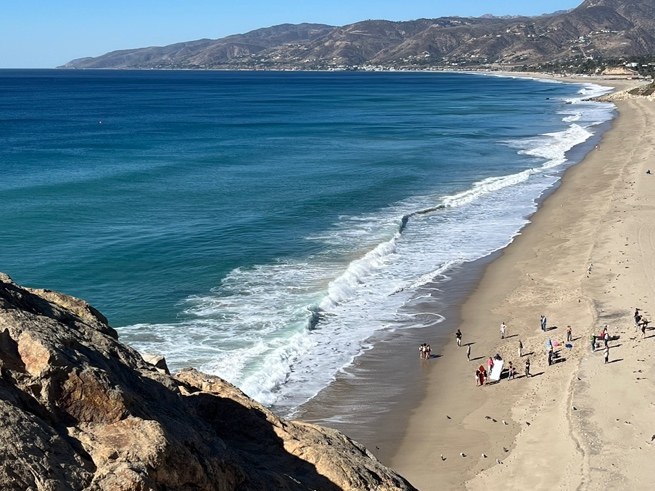
Friedkin knew the break intimately. As a competitive surfer, he started riding the break as a teenager in the early 1960s. He almost lost his life there in the mid-1970s, performing a ‘backside rollercoaster’ he misjudged, a move that put him into the hospital in Santa Monica for a week with broken vertebrae and internal organ damage.
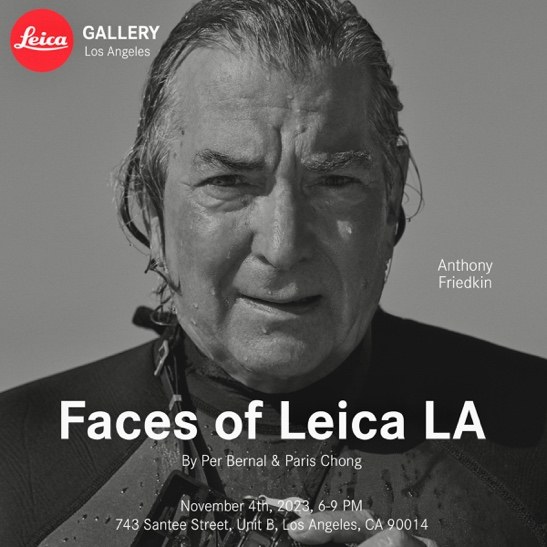
In subsequent decades, Friedkin continued to shoot California surf culture as a fine art photographer after working early in his career as a photojournalist. His body of work, produced in the early 1970s and called The Gay Essay, was collected by internationally renowned museums like the Getty and LA County Museum of Art as well as the DeYoung in San Francisco and MOMA NY. That entire body of work was exhibited at the DeYoung accompanied by a book published by Yale University Press. For a number of decades, Friedkin worked as a Hollywood motion picture unit still photographer. As a founding member of the Society of Motion Picture Still Photographers, Friedkin’s reputation in LA and NY was as a ‘photographer’s photographer.’ His work is further distinguished by his extraordinary darkroom practice of black and white silver gelatine printing.
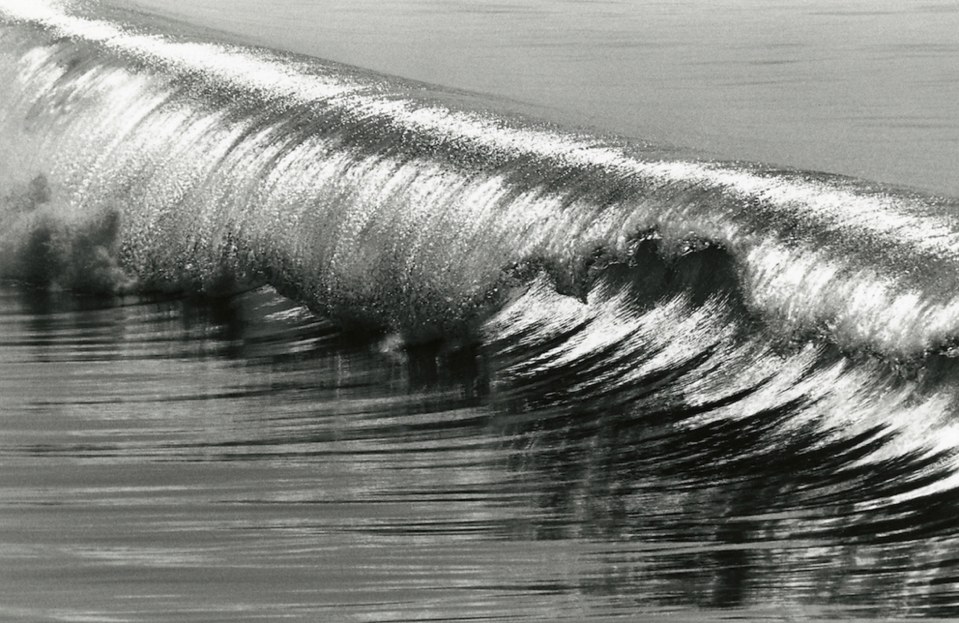
His Surfing Essay is testament to a singular, truly intimate commitment to understanding the dynamic moods of the ocean, the fundamental terrain of the people and culture that resides in close proximity.
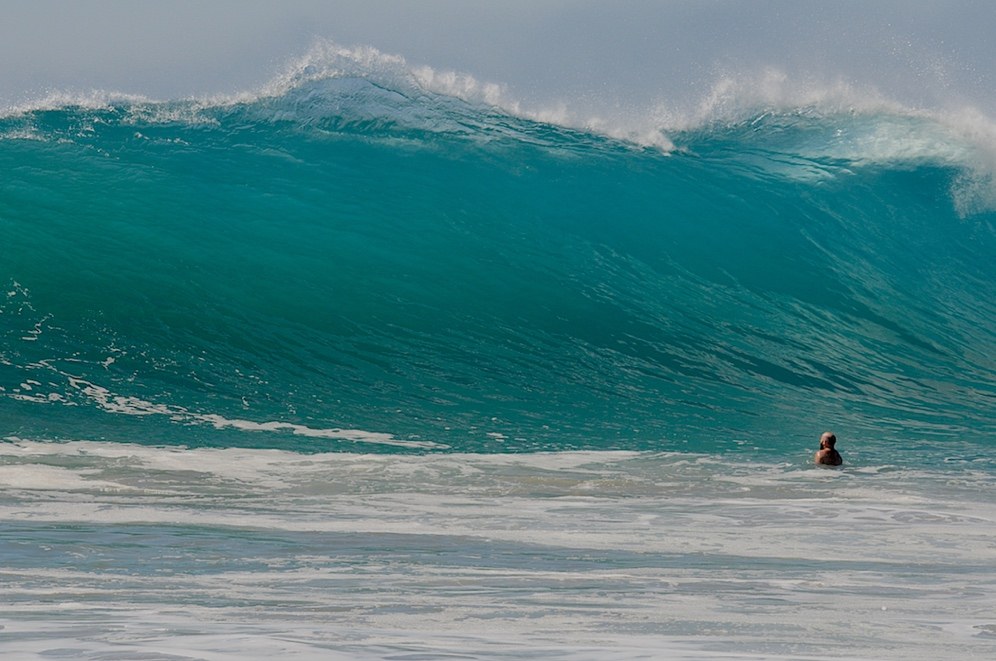
The recent destruction of the Drainpipe is heartbreaking to be sure. It’s likely folly to think that a pile of boulders dumped into the break will restrain Mother Nature. Our time here is transitory. She’s the only one who, finally, will endure and have the final say.